
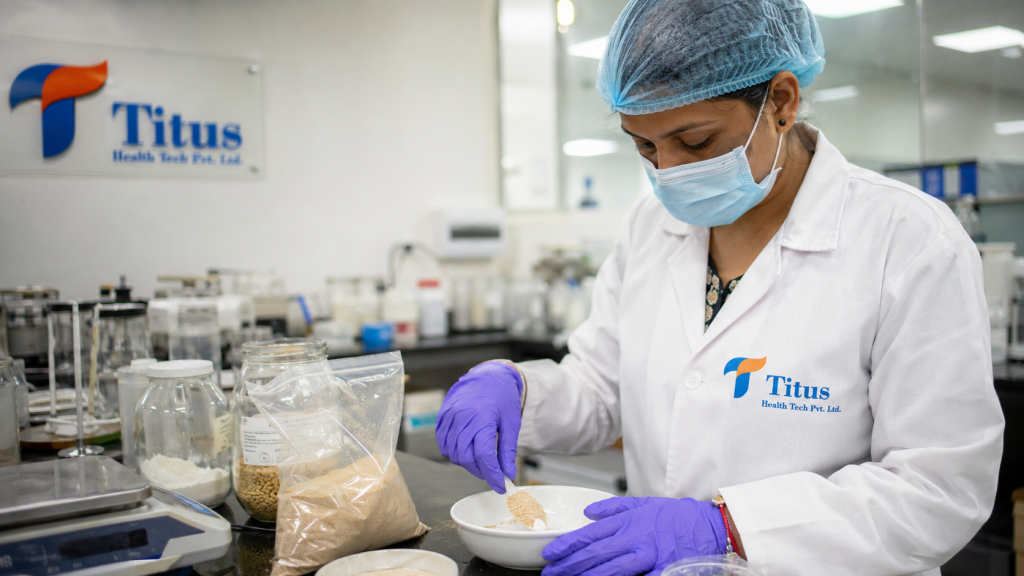
Choosing the right infant cereal manufacturer in India is one of those decisions that looks simple from the outside and turns out to be anything but. Whether you are a parent reading the back of a packet or a brand owner hunting for a production partner, the same question sits underneath everything: can I trust what is inside this box? Having spent years close to the food manufacturing side of this industry, I can tell you the answer almost never comes down to marketing. It comes down to sourcing, process control, and a willingness to be audited.
This article breaks down what actually separates a dependable infant cereal manufacturer in India from one that just prints a nice label.
| Quick answer A good infant cereal manufacturer in India is a company that produces baby cereals and weaning foods under strict food-safety certifications (FSSAI, ISO, often HACCP), uses traceable raw materials, and tests every batch for nutrition accuracy and contaminants. The best ones combine that compliance with real R&D, age-appropriate formulations, and transparent labelling. |
Infants eat tiny quantities, but those quantities do heavy lifting. A baby’s first solid foods shape gut health, iron levels, and even taste preferences that can last for years. So when a manufacturer cuts a corner, the consequences land on the most vulnerable consumer there is.
I have seen the difference up close. Two cereals can look identical on a shelf, sit at a similar price, and carry similar claims. One is made in a facility with controlled humidity, allergen-segregated lines, and batch-level lab testing. The other is repackaged bulk powder with a sticker slapped on. The label rarely tells you which is which – but the manufacturing reality does.
That is why I would argue the manufacturer matters even more than the brand name. A strong infant nutrition products manufacturer is, in practice, the actual guardian of quality.
People assume “manufacturing” just means mixing grains and packing them. The real work is wider and far less glamorous. A credible best infant food manufacturer in India typically handles:
Notice how little of that is visible to the buyer. It is exactly the invisible part that defines whether a product is genuinely safe.
You can read more about how we source our ingredients and why traceability sits at the centre of everything we do.
Certifications get thrown around loosely, so it helps to know which ones carry weight for infant food.
A manufacturer that hesitates to share these is telling you something. The good ones hand them over before you even ask.
You can review our food-safety certifications to see exactly which standards we hold and keep current.
If you are a brand owner sourcing a partner – or a curious parent who wants to understand the supply chain – here is a practical way to assess any infant cereal manufacturer in India without getting lost in sales talk.
A confident manufacturer welcomes audits. If a visit is “complicated,” treat that as data.
Not a generic certificate. Actual recent reports tied to actual batches.
Can they explain why a 6-month formula differs from a 12-month one? Real R&D shows up in conversation.
Pick the iron premix or the milk solids and ask where it comes from. Traceability separates the serious from the surface-level.
Overclaiming (“boosts brain power!”) is a red flag. Restrained, accurate labelling usually signals a mature operation.
I have watched this five-step filter eliminate impressive-looking suppliers in under an hour. It works because it rewards evidence over polish.
Not every baby cereal is built for the same stage, and a good manufacturer makes that distinction clear.
A capable infant nutrition products manufacturer offers a range like this not to upsell, but because babies move through stages quickly and one formula cannot fit them all. You can explore our baby cereal range to see how each option maps to a different stage.
I will be straight about the trade-offs, because no choice is all upside.
The point is not that specialists are flawless. It is that the costs they add tend to be the costs worth paying when the consumer is a six-month-old.
The phrase best infant food manufacturer in India gets used so often it has almost lost meaning. So let me ground it. The best is not the biggest, and it is not the cheapest. It is the maker whose process you could explain to a worried parent without flinching – one that treats every batch as if it were feeding their own child.
That standard is harder to hit than any award. It shows up in small habits: rejecting a raw material lot over a minor moisture reading, re-running a test rather than rounding it off, updating a formula when new nutrition guidance lands. These are the unglamorous decisions a genuine infant cereal manufacturer in India makes every single week. If you are curious about the detail, learn about our manufacturing process step by step.
If you are building a baby-food brand, your manufacturer becomes your reputation. Customers will not see the factory – they will see your logo and assume you stand behind everything inside. Picking a partner on price alone is the fastest way to inherit a problem you did not create. Pick on process, documentation, and willingness to be checked. The right infant nutrition products manufacturer will make your brand look responsible because, behind the scenes, it actually is. If that is the kind of partner you need, see our private label and B2B partnerships.
At the end of the day, the value of a great infant cereal manufacturer in India is measured in what you cannot see on the packet – the testing, the sourcing discipline, and the quiet refusal to cut corners. Get that part right, and trust follows naturally. If you are a parent, look past the front of the box. If you are a brand, look past the price quote. Ask about process, ask for proof, and choose the partner who answers without dodging.
If you would like to understand how rigorous, transparent infant food manufacturing actually works in practice, take a look around our site and reach out – we are always happy to walk you through what goes into safe, well-made baby nutrition.
They make baby cereals and weaning foods – rice, ragi, wheat, multigrain, and milk-based blends – fortified with key nutrients and tested for safety before packaging.
Start with a valid FSSAI licence, then look for ISO 22000, HACCP, GMP, and NABL-accredited lab testing. These cover both product safety and process control.
Ask for recent batch-level test reports, not just generic certificates, and request a facility audit. Genuine makers share documentation readily.
Consistent compliance, real R&D, age-appropriate formulations, traceable ingredients, and honest labelling – not the lowest price or the loudest marketing.
Most cereals are introduced around six months, alongside continued milk feeds, but parents should follow a paediatrician’s guidance for their child.
Neither is universally better. Ragi offers calcium and iron, rice is gentle and low-allergen. A good infant nutrition products manufacturer offers both for different stages and needs.
Yes. Many specialists offer B2B and private-label production, handling formulation, testing, and packaging under your brand while you focus on selling.
Because testing, traceable sourcing, and controlled production cost more than bulk repackaging – and for infant food, those steps are exactly where the money should go.
WhatsApp us